
Suicide is the act of intentionally causing one’s own death.
September is suicide awareness month. Suicide is a growing concern that affects us all. It is the 10th leading cause of death in the U.S. There are 129 suicides per day. Over 38,000 Americans die by suicide every year. On average, 1 person dies by suicide every 16.2 minutes. Suicide affects every gender, age, and race. At least 6 people, are closely effected by each suicide and are left to pick up the shattered pieces of their hearts.
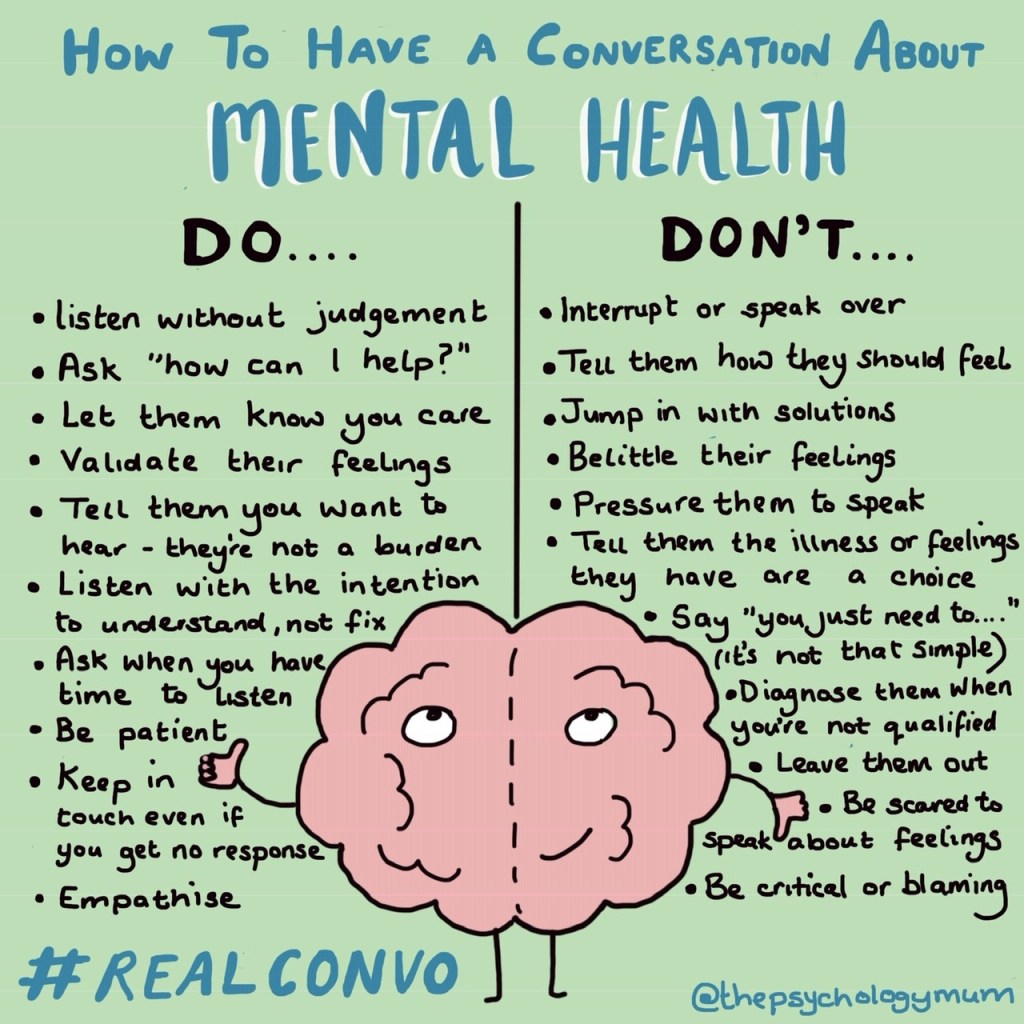
So you notice a loved has some concerning signs of suicide and behaviors lately. If it’s a possibility your loved one may take their own life, and they are in a dark place, YOU HAVE TO SPEAK UP. Who cares if you end up wrong and they get mad at you. They will get over it. Unfortunately, you will not get over it so easily, if you were right. Regret is a hard pill to swallow. Trust me. So Speak Up. Don’t be afraid to approach them, from a place of love, and ASK , “Hey I’m worried about you”. “Are you okay?” “Are you thinking about killing yourself?” According to NIMH, studies show asking a person, with suicidal thoughts these questions does not increase their risk of suicide. Next, HELP KEEP THEM SAFE. It may be difficult, but ask them if they have means to anything lethal. Do they have a weapon? Do they have access to deadly amounts of drugs of any kind? Do they have a plan? Eliminating the means of suicide, during a time of crisis, can make a huge difference, in the outcome. Ask them if you can hold on to their gun or anything harmful, for awhile. Now BE THERE. Listen to them. Acknowledge their feelings. Let them feel heard. Be a good listener. Listen without judgement. Show them compassion and understanding. Learn what your loved one is really thinking and feeling. Talking about suicide can actually reduce suicidal thoughts. Next, you must HELP THEM CONNECT with a crisis counselor ( lifeline – 1 800 273 TALK ) , or a mental health professional, or a minister at church, a family member,or a friend. Many College campuses have free counseling services for all students, and you can always connect, with the school counselor for school age concerns. Do not sweep this under the rug and just pray it goes away. It will not go away on it’s own. The problem will only grow worse. It is crucial you help them connect with someone. Last, but not least, you must STAY CONNECTED, even after the crisis is over. Check back in with them . Call them to see how they are doing. Stay in touch. Research shows the number of suicide deaths have gone down, when the at-risk person gets followup. You will never regret being there for someone, when they need you the most. However, you will regret not being there and not getting a second chance. Be brave. Have those uncomfortable conversations. It just might save a life.
I wish with, all of my heart, I had been brave enough to have a real conversation with my brother, before it was too late. I knew he was in pain. I just did not know what to say or how to help. The battle against suicide has just begun. I have learned so much, since my brother died and now our children are at-risk. Now I know the signs and what to do, if someone is in crisis. I can apply the knowledge to the next generation and the people around me. I can make a difference still in the lives of our children. He did not die in vain. In honor of his memory, I urge each of you to learn the signs of suicide. Be brave. Have a real conversation.
I found all of my facts and research, for this article, at nimh.nih.gov
Images used for this article are shareable images I found @ afsp.org
Visit the To Write Love on Her Arms website at twloha.com to find links to mental health resources in your area and other great information.
By:Shannon Michelle
Follow me on Instagram @doitfordrew13 for daily mental health tips and encouragement.


 Do it for Drew 13